Commercial Architecture Services for Custom Projects
Creative Architectural Solutions: Discovering the Advantages of Professional Architecture Services
Groundbreaking design approaches are instrumental in transforming modern environments. By prioritizing eco-conscious functionality, architects can craft areas that reflect community needs. Blending sustainable materials and advanced technologies enhances energy efficiency while promoting meaningful connections. As these innovations progress, they accommodate occupant demands and honor community identity. The question remains: how do these elements converge to redefine our urban landscapes and elevate human well-being?
How Architects Contribute to Building Sustainable Spaces
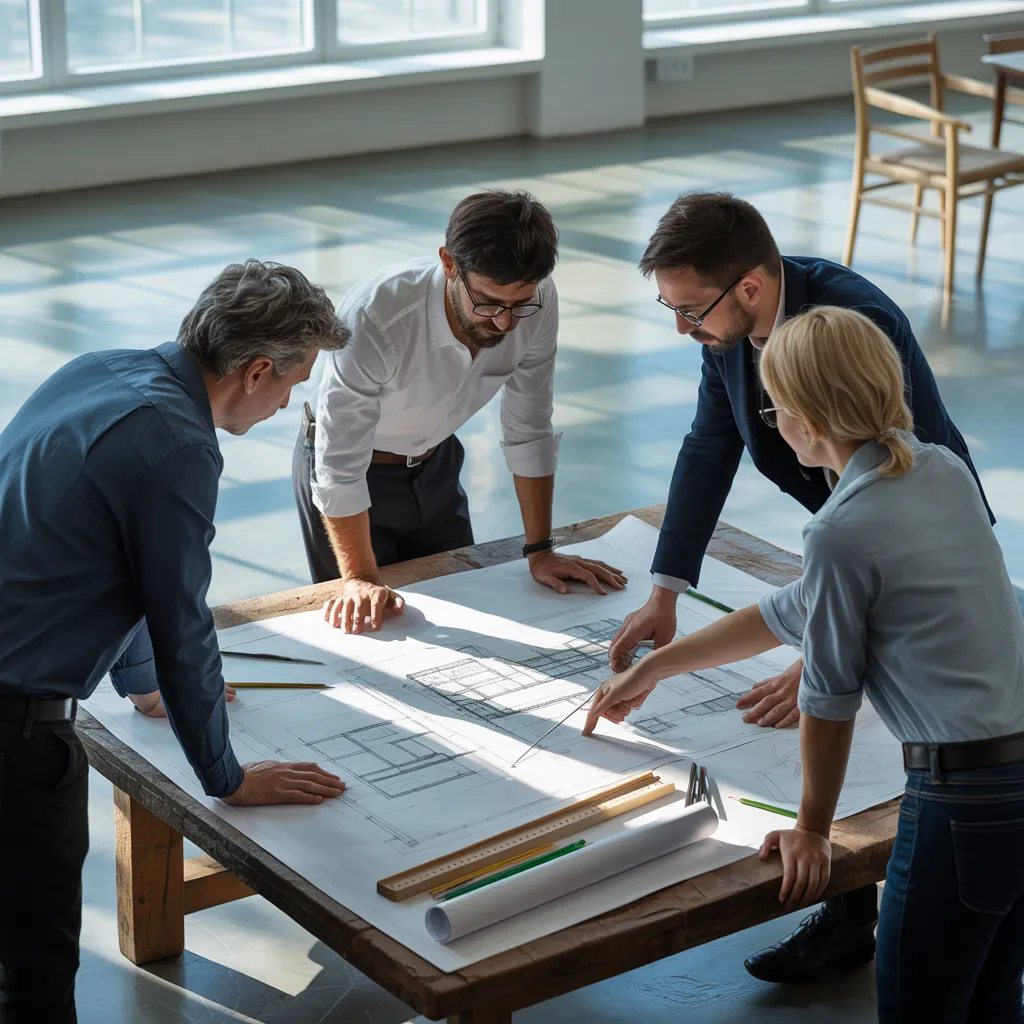
Architects hold an essential role in the shaping of sustainable built environments, greatly influencing the ecological footprint of built environments. Their expertise allows for the adoption of environmentally responsible materials, sustainable energy systems, and creative design strategies that decrease the use of resources. By championing eco-conscious design, architects can create structures that reduce carbon footprints and strengthen overall energy effectiveness.
Collaboration with technical experts and environmental consultants is vital in this endeavor, ensuring that both aesthetic and functional criteria are met by designs while upholding environmentally responsible methods. Additionally, the surrounding ecosystem is carefully considered by architects, incorporating natural elements and promoting biodiversity that cultivate a symbiotic bond between man-made structures and the natural world.
Through thoughtful planning, architects champion the use of clean energy alternatives, such as wind or solar energy, which also supports sustainable objectives. In the end, their role extends beyond mere construction; architects transform the trajectory of city environments by cultivating a dedication to environmental stewardship and responsible design.
Top Innovations in Architectural Design That Enhance Functionality
Many advancements in architectural design are revolutionizing functionality in modern spaces. One prominent advancement is the incorporation of intelligent technology, allowing buildings to adapt to users' needs through automated lighting, climate control, and security systems. Such advancements boost both energy performance and the overall comfort of users.
Furthermore, modular construction approaches are growing in prominence, facilitating more rapid construction and improved design adaptability. These structures can be easily reconfigured or expanded, making them well-suited for diverse purposes.
The concept of biophilic design, which incorporates elements of nature into building design, supports well-being and productivity, fostering a bond between occupants and their environment.
In addition, open-concept floor plans are growing in popularity, providing versatile spaces designed to accommodate multiple activities.
Lastly, eco-friendly materials are being employed not only for their eco-friendliness but also for their visual appeal and long-lasting qualities, enhancing the overall functionality of modern structures. Together, these advancements lead to more flexible and effective architectural designs.
How Design Unites Communities
Design serves a fundamental purpose in fostering connections within neighborhoods, establishing settings that encourage interaction and communication among community members. Carefully planned parks, public squares, and communal areas serve as essential gathering spots, promoting community interaction and a spirit of togetherness. Structural characteristics such as flexible arrangements and multifunctional spaces create avenues for local activities and programs, enhancing the general well-being.
In addition, designs that incorporate regional culture and history establish a unique identity, enabling residents to develop a stronger connection to their environment. By prioritizing accessibility and inclusivity, architects ensure that all community members, regardless of age or capability, can engage in community life.
The incorporation of natural features, such as parks and leisure spaces, further enriches the community experience, providing residents with a refuge and a place for shared enjoyment. Ultimately, thoughtful architectural design not only shapes physical spaces but also nurtures the relationships that bind communities together.
Maximizing Energy Efficiency Via Expert Architectural Design
A major transformation in favor of energy conservation is transforming the architecture landscape, driving the development of pioneering solutions that minimize environmental impact. Skilled architectural expertise serve a vital function in this transformation by embedding eco-friendly approaches into design. These design professionals evaluate energy usage trends and employ advanced materials, such as top-grade insulation and high-performance glazing, to reduce climate control requirements.
In addition, the adoption of renewable energy sources, like solar installations and geothermal technologies, not only decreases the need for fossil fuels but also decreases operational costs for building owners. Advanced building automation technologies continue to boost energy efficiency, allowing for live tracking and optimization of energy consumption.
Through meticulous planning and innovative design, skilled architects create spaces that not only comply with stringent environmental standards but also promote long-term sustainability. This commitment to energy efficiency ultimately contributes to a healthier planet and more resilient communities, highlighting the essential role of architecture in tackling climate change.
Thriving Urban Landscape Makeovers
A prime illustration is the transformation of abandoned waterfronts into vibrant recreational areas, complete with parks, walking paths, and cultural attractions. Such developments serve to enhance the landscape while also boosting local economies by bringing in tourists and business opportunities.
Moreover, successful urban development recognizes the particular characteristics of a locality, making certain that each redesign captures its past and essence. This customized strategy fosters a spirit of ownership among community members, motivating stewardship of the space. Ultimately, effective urban redesigns demonstrate the ability of urban planning to transform the urban environment and advance sustainable urban development.
Where Is Innovative Architecture Headed?
How might forward-thinking architecture evolve to meet and respond to the shifting needs of modern society? As cities become progressively more complex, architects are called upon to confront significant challenges like sustainability, affordability, and social equity. Innovative technologies, encompassing artificial intelligence and next-generation materials, open up new possibilities for design, supporting more effective construction processes and superior energy performance.
Additionally, architects are progressively working alongside numerous stakeholders, from neighborhood groups to sustainability professionals, making sure designs capture the priorities and requirements of those they serve. This engagement-driven process cultivates resilience, permitting designs to accommodate changing climate conditions and societal demands.
Furthermore, the incorporation of biophilic architectural principles supports well-being, bridging the gap between inhabitants and the natural environment. As the architectural landscape evolves, the focus on creative solutions will remain paramount, driving the profession to design environments that are not only functional but also transformative for future generations.
Frequently Asked Questions
How Do Architects and Engineers Collaborate on Projects?
Architects partner with engineers by combining design principles with technical specifications, guaranteeing structural soundness and performance. Regular meetings facilitate communication, permitting both parties to resolve issues and improve project results through collaborative knowledge and creative approaches.
What Are the Expenses Involved in Hiring an Architect?
The expenses involved in engaging an architect commonly consist of architectural design fees, project management costs, and potential supplementary charges for site inspections or consultations. These costs can vary considerably depending on the complexity of the project and its location.
How Long Does the Architectural Design Process Typically Take?
The architecture design workflow usually spans a few months, based on project complexity and client requirements. Considerations like permitting, project revisions, and contractor management can essential information further impact the entire project schedule, frequently prolonging the timeframe significantly.
Do Architects Provide Help With Zoning and Permit Applications?
Absolutely, architects provide assistance with zoning regulations and permit submissions. Their expertise helps navigate complicated regulatory requirements and ensures compliance with local codes, streamlining the process and increasing the likelihood of securing required approvals for construction projects.
What Credentials Should I Seek in an Architect?
When hiring an architect, you should consider qualifications such as relevant experience, proper licensing, educational background, excellent interpersonal and communication skills, and a portfolio demonstrating creativity and problem-solving ability. Relevant specializations should also be considered according to the requirements of your project.