Creative Richmond Top Home Architecture Services with Personalized Plans
Enhance Your Home With Skilled Building Offerings
Upgrading a residence through expert design solutions involves more than just aesthetics. It requires a deep understanding of practical layout and area construction standards. Working with an experienced architect can tackle typical issues while enhancing property worth. The process is systematic and thorough, assuring that every detail matches with the homeowner's vision. Yet, many homeowners have difficulty to traverse this journey effectively. What steps can they take to secure a successful working relationship?
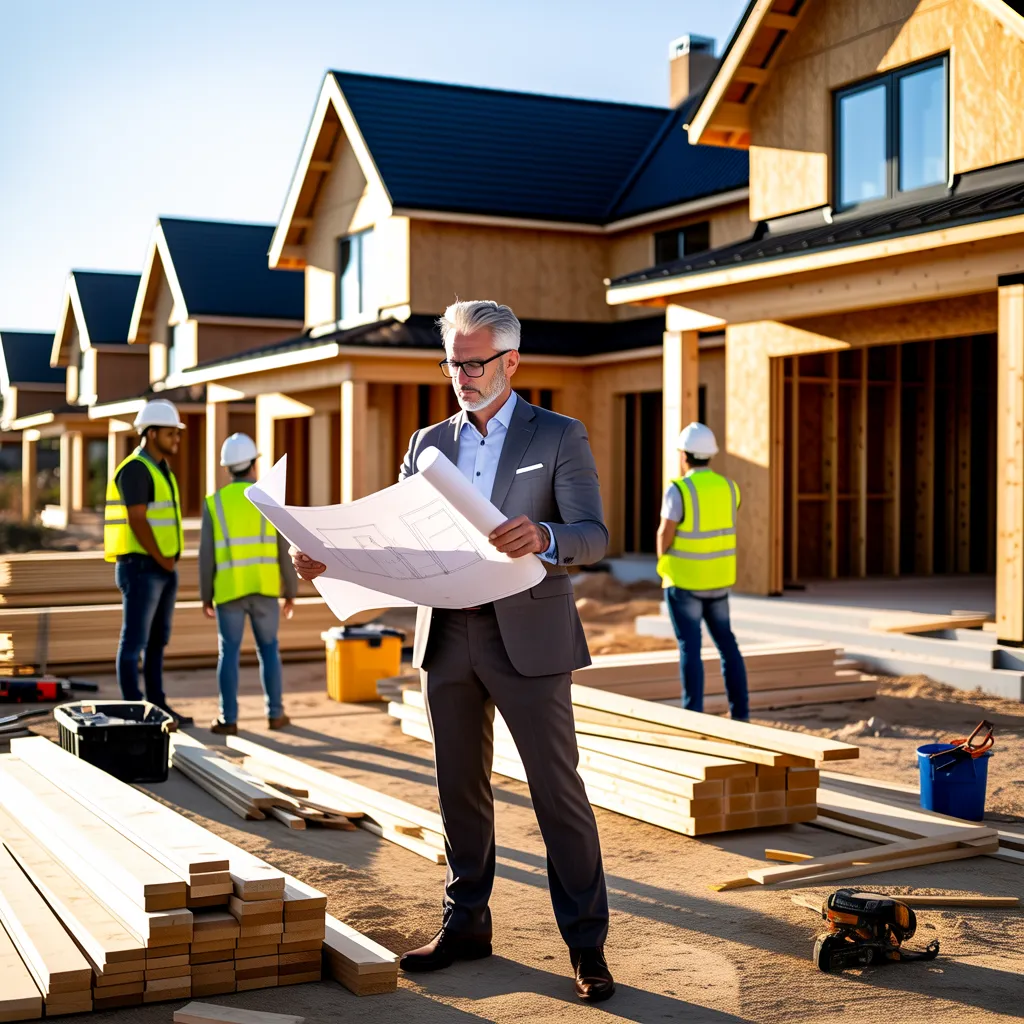
Standard Home Design Predicaments and Strategies Architects Handle Them
What causes home design to be so overwhelming for most homeowners? The challenge of balancing personal aesthetic choices with practical needs often overwhelms them. Homeowners commonly struggle with space limitations, budget limitations, and regulatory requirements, making design work more challenging. Additionally, many lack the specialized expertise needed to handle structural needs and building codes.
Architects hold an indispensable role in tackling these barriers. Their training furnishes them to traverse the intricacies of design, assuring that a dwelling owner's vision aligns with tangible circumstances. Architects can furnish revolutionary remedies to maximize space while upholding safety codes. They also facilitate in constructing harmonious designs that manifest the homeowner's character. By offering insights into materials and construction approaches, architects enable hasten the deliberation undertaking. At the end of the day, their mastery metamorphoses a seemingly formidable endeavor into a collaborative progression, cultivating a harmonious balance between imaginativeness and practicality in residential planning.
Reasons to Team Up With a Professional Architect
Engaging a trained specialist improves the residential design journey by merging expert knowledge with the homeowner's vision. Architects provide a rich background in architectural standards, building codes, and eco-conscious methods, making sure that the initiative not only fulfills design aspirations but also follows legal requirements. Their skill in picturing and communicate complex ideas supports rendering theoretical notions into physical designs.
Moreover, architects can offer innovative approaches to layout obstacles, refining usability and arrangement. They also oversee the complications of the building process, collaborating with contractors and suppliers to ensure finances and schedules are adhered to. This professional management decreases errors and lessens the anxiety associated with home remodeling or construction. Ultimately, engaging with an architect produces a unified, thoughtfully designed space that reflects the homeowner's essence while enhancing overall home worth.
What Are the Key Steps in the Architectural Workflow?
What represents the way the building design process unfolds from concept to completion? The progression starts with an initial consultation, where the designer and customer discuss goals, requirements, and financial resources. This stage is important for establishing a clear vision. Subsequently, the architect conducts site analysis, examining factors like terrain, weather patterns, and local codes.
After this, the design stage gets underway. In this phase, sketches and digital models are produced, allowing the client to imagine the project. When the design is finalized, the architect develops thorough construction blueprints, featuring specifications and drawings.
Once required permits are obtained, the project enters the building stage. The architect often collaborates with contractors to guarantee that the design is implemented correctly. Regular on-site inspections and evaluations help preserve standards and adherence to the initial vision. Finally, the project culminates in a walkthrough, verifying that the finished structure meets the client's expectations before the official transfer.
What's the Best Way to Choose the Ideal Architect for Your Home?
Discovering the right professional for your home requires careful thought and research. Prospective residents should commence by identifying their specific desires and spending limit, which will shape their search. Recommendations from friends, family, or real estate specialists can deliver helpful prospects. Web-based galleries and reviews help with examining an designer's prior work and client satisfaction.
Next, potential clients should interview several prospects to measure their communication style, expertise, and design approach. It's critical to discuss timelines and project expectations to guarantee mutual understanding. Additionally, confirming qualifications and reviewing relevant licenses and certifications can prevent subsequent difficulties.
Ultimately, homeowners should listen to their instincts. The best architect should not only demonstrate the essential skills but also align with the homeowner's vision and beliefs. This partnership creates a productive atmosphere, in the end generating a successful partnership in constructing a dream home.
Techniques to Relay Your Direction Powerfully
Communicating a vision for interior design proficiently is essential for a productive cooperation between homeowners and architects. To achieve this, property owners should begin by clearly specifying their requirements and preferences. Assembling a visual collection with graphics, colors, and materials can support conveying visual goals. Additionally, outlining practical requirements, such as room size and spatial arrangement, ensures that the specialist appreciates operational aspects.
Property owners should also take part in open dialogue, encouraging questions and feedback to refine their direction. Regular check-ins throughout the design process foster teamwork and openness. Employing clear communication to convey thoughts and worries can avert confusion and help align goals.
To summarize, valuing the architect's expertise allows for a more engaging interaction. By integrating personal vision with professional insight, homeowners can develop a constructive relationship that delivers a beautifully designed space reflecting their aspirations.
Tips for Budgeting Building design Services
While starting a home design project, setting a budget for architecture services is essential assessment to avoid monetary hardship later. Homeowners should begin by researching typical fees in their area, which can vary based on the project's complexity and the architect's experience. It is recommended to allocate a percentage of the overall project cost specifically for architectural services, typically ranging from 5% to 15%.
Next, customers should evaluate the range of offerings needed—whether they require comprehensive design and project management services or just initial consultations. Engaging in open discussions with potential architects about their pricing models can provide clarity on expenses.
Additionally, property owners should consider possible changes and unforeseen costs, creating a financial cushion in their budget. By explicitly establishing their budget limits in advance, customers can ensure they select an architect who aligns with their vision while remaining within their budget constraints.
Frequently Asked Questions
What Varieties of Structural Style Can I Pick for My Home?
Homeowners have the opportunity to choose from many different design approaches, such as modern, traditional, colonial, Mediterranean, and contemporary. Each style presents distinctive aesthetics and functionality, allowing individuals to reflect personal taste while considering regional influences and environmental factors.
What Timeframe Does the Architectural Process Usually Involve?
The design process typically takes several months, contingent upon design complexity, design approvals, and regional requirements. Elements such as client comments and project timelines can also impact the duration considerably during the entire process.
Can Architects Provide Guidance With Sustainable Planning Possibilities?
Architects can certainly help with sustainable design options. They incorporate eco-friendly materials, energy-efficient systems, and innovative layouts, guaranteeing projects minimize environmental impact while enhancing functionality and aesthetic appeal, aligning with clients' sustainability goals effectively.
What Qualifications Should I Find in an Building Designer?
When hiring an architect, one should examine their qualifications, licensure, involvement in related assignments, selection of projects highlighting their design sensibility, and grasp of local compliance standards. Ability to communicate effectively and feedback from previous clients also become crucial in the evaluation process.
What Method Do Building Designers Use to Address Zoning and Permit Concerns?
Architects address regulatory obstacles by conducting thorough research on local regulations, assembling required paperwork, and working with municipal authorities. Their knowledge guarantees adherence, streamlining the permitting timeline for customer developments effectively.